News
The Jordán brothers' culinary revolution: innovation and tradition in the high mountains
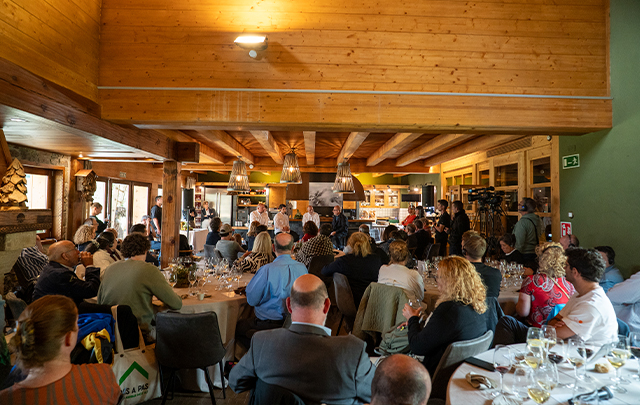
At the recent high-mountain cuisine event, siblings Iris and Bruno Jordán detailed their unique approach to gastronomy, which is closely tied to the Huesca region and the Pyrenean landscape. They argued that their cuisine cannot be understood without that rugged environment, where resources are limited and each ingredient takes on symbolic and emotional value.
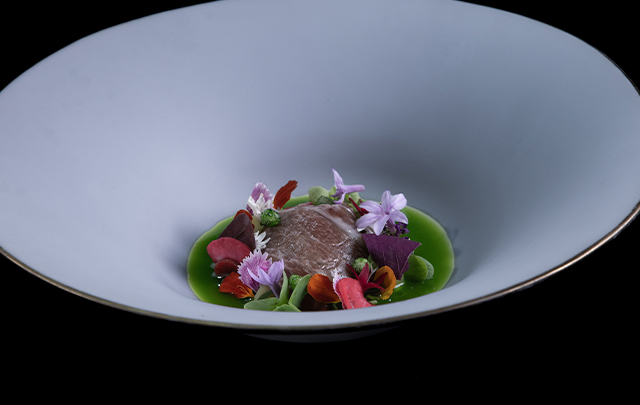
The dish “Triunfes dan Grey” served as the central theme of the presentation. Using winter potatoes, the Jordáns revive the flavors of their childhood through a fermentation process that transforms the tuber into an aromatic paste and, subsequently, into a clear yet intense broth capable of preserving the taste memory of the raw potato. This dish encapsulates their philosophy: contemporary technique in the service of memory and tradition.
Much of their talk revolved around their family legacy. They recalled the restaurant founded by their grandmother in the Benasque Valley in 1984, built on the exchange of knowledge with neighbors and the optimal use of local produce in a region where only a small fraction of the land is arable. Iris and Bruno identify as the third generation of this mountain dynasty, which has learned to turn geographical limitations into a creative force.
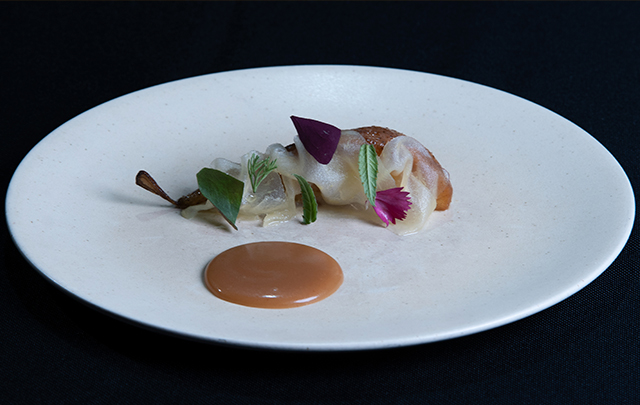
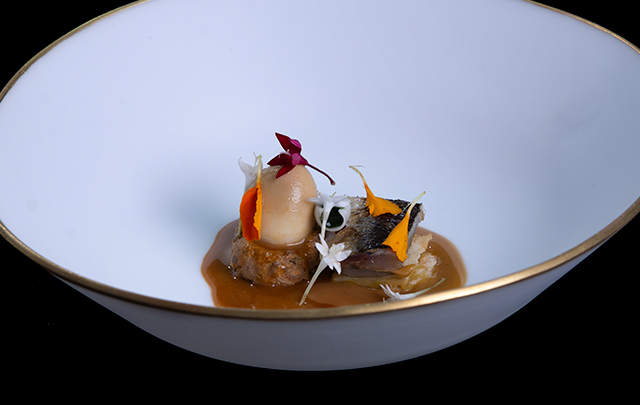
They also discussed their work with primary, secondary, and tertiary aromas as a language that allows them to construct dishes with layers of flavor. Controlled fermentation, oxidation, and aging enable them to explore deep notes reminiscent of wine cellars, old pantries, and nearly forgotten culinary practices. It is within this framework that another of their most talked-about creations takes shape: the combination of crayfish and hazelnuts, built around a concentrated sauce made from the crayfish roe and hazelnuts cooked in spiced syrup, balanced with an apple “leche de tigre” (tiger’s milk), similar in acidity to ceviche.
Sustainability and the comprehensive use of ingredients formed another key part of the presentation. They explained how scraps and trimmings—which in other kitchens would be discarded—are transformed into stocks, vinegars, or sauces that enhance the entire menu, and how they apply this approach to working with lamb or extracting natural sugars to reduce the use of sugar in pastries. Their experimentation with ripe yet firm fruits—subjected to brines and stews that blend sweet and savory flavors—exemplifies their commitment to revaluing imperfections and combating waste.
Beyond technique, the Jordáns emphasized the importance of the diner’s experience and of rituals such as breakfast, which they champion as a gesture of hospitality and care. In line with this, they presented the idea of an interactive mural where attendees can take photos and write down their impressions, creating an emotional archive of each gastronomic event. The presentation concluded with a statement of principles: from a remote, high-mountain region, they aim to demonstrate that true innovation lies in listening to the landscape and weaving their own narrative—striking a balance between innovation, family memory, and commitment to the environment.
Related news
News
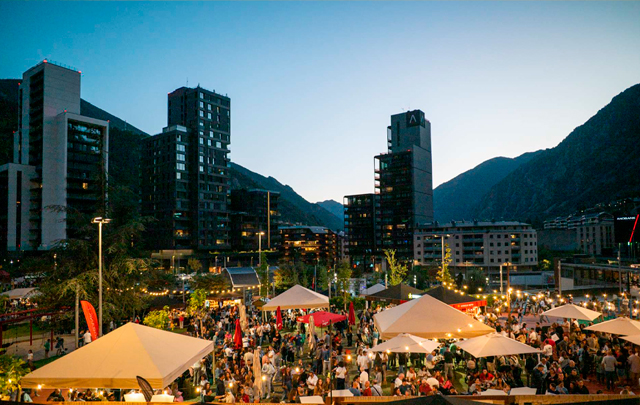
Andorra Taste breaks records with more than 70,000 drinks sold
News
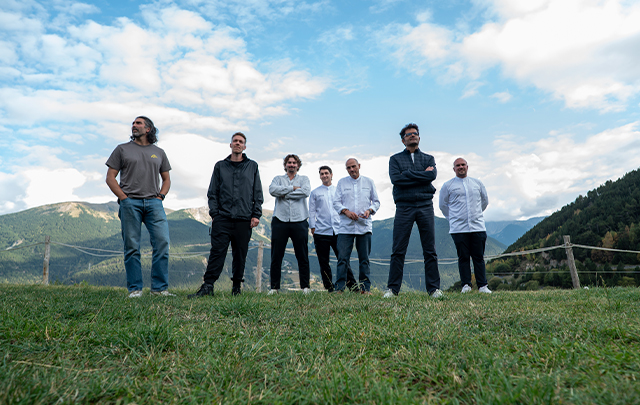
Andorra Taste demonstrates that high-mountain cuisine can turn its limitations into a form of excellence
News
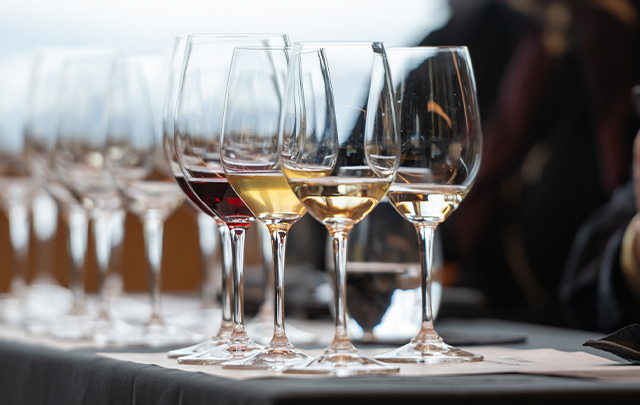
Exploring high-altitude wines: a presentation by Audrey Doré
News
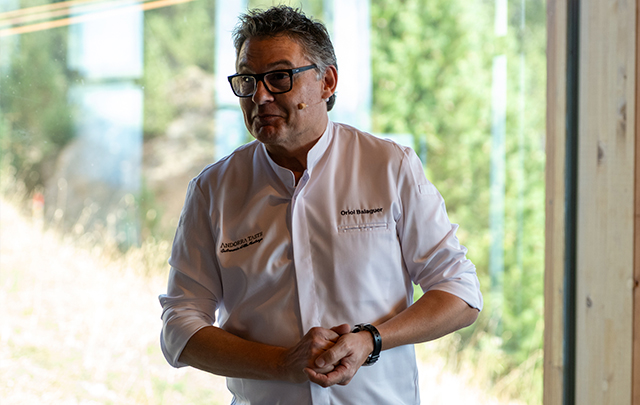
Innovation and trends in pastry: Oriol Balaguer's perspective
News
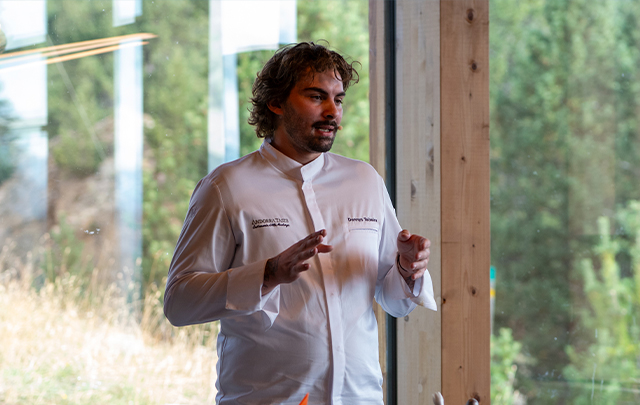
Gastronomy as narrative: innovation and collaboration in local cuisine
News
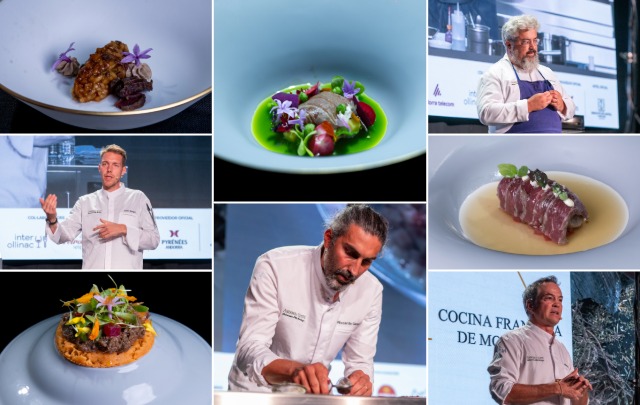
Mountain chefs need producers who are willing to challenge tradition
News
Traditional cuisine as a reflection of identity
News
Riccardo Gaspari's regenerative cuisine: a sustainable cycle from farm to table
News
Iván Cerdeño: hunting as a living memory of Toledo through the lens of haute cuisine
News