News
Iván Cerdeño: hunting as a living memory of Toledo through the lens of haute cuisine
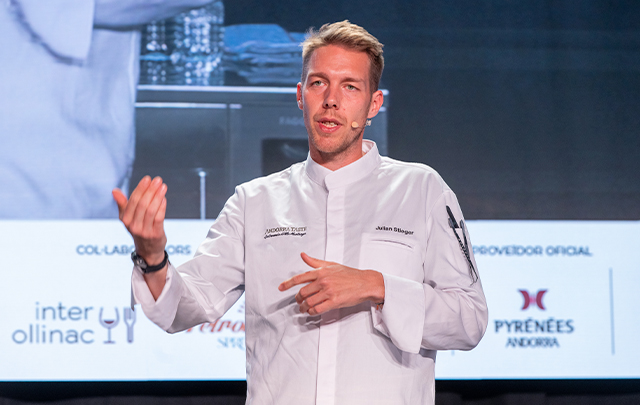
Toledo-based chef Iván Cerdeño, who runs the restaurant that bears his name in a cigarral in Toledo, outlined in a presentation the philosophy behind his “landscape cuisine”: an approach that draws directly from tradition, the hunting season, and traditional recipes to reinterpret them using contemporary techniques. Just a few weeks before the restaurant’s opening in mid-October—and coinciding with the start of hunting season—the chef presented four dishes that encapsulate his approach to haute cuisine: local produce, culinary heritage, and a constant quest for balance between intensity and subtlety on the plate.
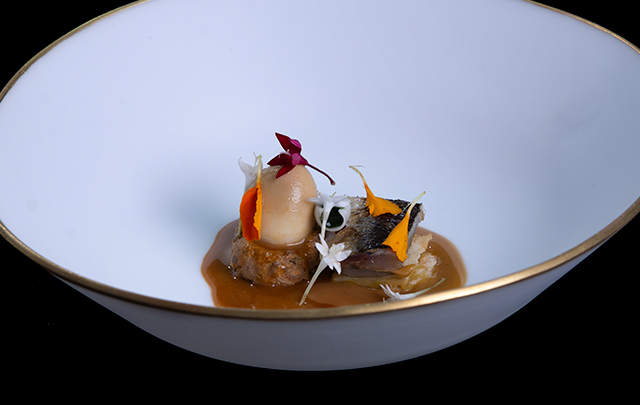
Cerdeño explained how his cuisine draws from the region and the culinary memories of Toledo, a city where popular, bourgeois, and Arab influences converge. It is within this context that the partridge—an iconic ingredient of the area—is transformed here into a haute cuisine dish inspired by a recipe over a century old, recorded by Ángel Muro. The chef revives this historical foundation and modernizes it by incorporating sardine fat to counteract the meat’s dryness and enhancing the acidity through marinades and pickles. The comprehensive use of the bird—including the partridge egg—and the incorporation of traditional Toledo sauces round out a dish that serves as a statement of intent: absolute respect for tradition, yet without sacrificing technical and conceptual innovation.
That same logic of fusion between tradition and the avant-garde carries over to wild boar, the second major focus of the presentation. Cerdeño detailed the preparation of a dish built around slow-roasted ribs and morteruelo, the Castilian-La Mancha stew that he reinterprets with a modern twist. In his dish, the wild boar meat is carefully selected to ensure tenderness and flavor, and the stew is thickened with bread and spices such as cumin and paprika. The result is served on bagir-style Arabic bread—a direct nod to the Arab influence in Toledo and to taco culture—and is accompanied by carrots, aromatic flowers, and a wild boar jus that diners can add to their liking. Vinegar and sauces thickened using modern techniques help lighten the dish without losing depth, while also encouraging diners to interact with the dish.
Hare, perhaps the most complex and demanding game meat, prompted the chef to reflect on the challenge of working with irregular ingredients, where each cut requires a different cooking time and treatment. Building on this premise, he proposed a reinterpretation of the Arabic pastela that combines hare, pancetta, and wine in an intense stew, served with a heavily reduced sauce and a corn sabayon with vanilla. The goal, he explained, is to strike a balance between the bold character of game and more approachable flavors, capable of making these types of dishes more accessible to a public that often perceives them as difficult. To reinforce this idea of accessibility, the team developed a crispy element that evokes the texture of the pastela, incorporating hints of coffee and vinegars that add complexity without being overpowering.
Looking ahead to the 2026 season, Cerdeño previewed new menu courses built around contrasts in textures and flavors. Among them is a dish combining butter-sautéed celeriac with a hare stew and a corn sabayon, designed to offer bites that are deeply flavorful yet balanced. The hare loin is briefly grilled and served with a chimichurri made with confit oil, porcini mushrooms, vinegars, aromatic herbs, and truffle shavings, aiming to create an initial burst of intensity followed by a clean finish on the palate that prepares the diner for the next course. At the same time, the chef presented a dish featuring mouflon prepared from ribs and tenderloin, supported by a video from the previous season as a visual reference to his creative evolution.
The presentation devoted a special section to pork zurrapa and the preparation of mouflon loin—a clear example of how the restaurant combines traditional recipes with cutting-edge techniques. Cerdeño described a zurrapa confit in lard with white wine, sherry, and aromatic herbs, cooked until it reaches the texture of a pâté, which is used to fill a nori seaweed tartlet inspired by a historic recipe by Albert Adrià. On top of that base are arranged a marinade of mountain herbs and a seaweed gel, designed to provide acidity that cleanses the palate. Rounding out the dish is a loin of mouflon cured with kombu seaweed—a cold-curing process that enhances both texture and flavor—accompanied by pickled seaweed, salicornia, and garlic flowers, in a bite that condenses the sea, the mountains, and the traditional pantry into a contemporary interpretation.
Beyond specific recipes, Cerdeño emphasized the role of the team as the centerpiece of the project. He noted that more than 35 people work at El Cigarral, and each one is essential to maintaining the high standards and creativity that define the restaurant. During his talk, the chef expressly thanked Alberto and Ánica García Escudero for their work and highlighted the importance of surrounding oneself with a strong team to bring to life a cuisine that is as technical as it is emotional. The session concluded with an invitation to visit Toledo and discover, through its menus, how the city’s game and culinary heritage can be transformed into a haute cuisine experience deeply rooted in the region.
Related news
News
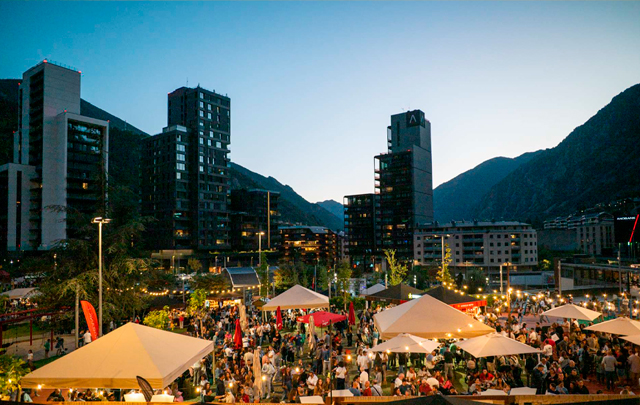
Andorra Taste breaks records with more than 70,000 drinks sold
News
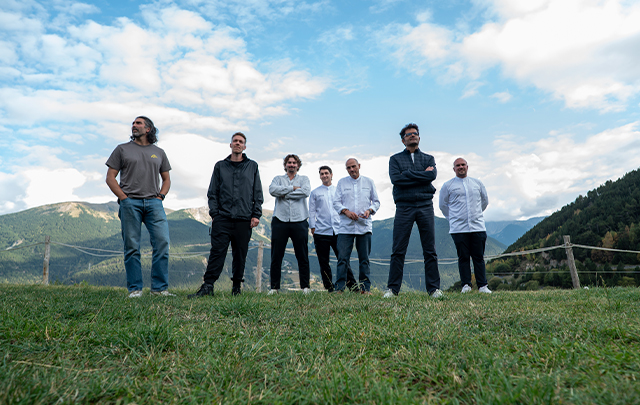
Andorra Taste demonstrates that high-mountain cuisine can turn its limitations into a form of excellence
News

Exploring high-altitude wines: a presentation by Audrey Doré
News
Innovation and trends in pastry: Oriol Balaguer's perspective
News
Gastronomy as narrative: innovation and collaboration in local cuisine
News
Mountain chefs need producers who are willing to challenge tradition
News
Traditional cuisine as a reflection of identity
News
Riccardo Gaspari's regenerative cuisine: a sustainable cycle from farm to table
News
High-Mountain cuisine: Javier Torres and Andorra's culinary tradition
News