News
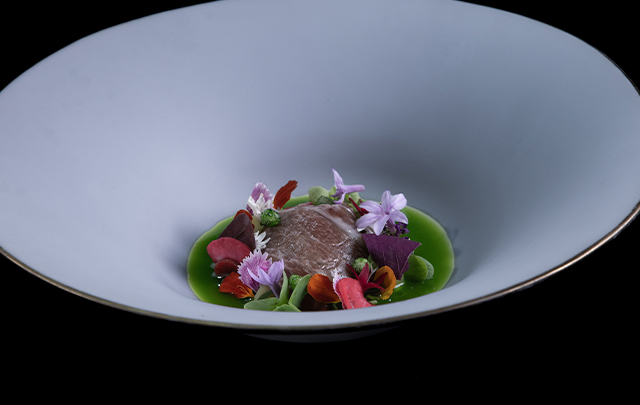
Paco Roncero revives the tradition of Madrid's tapas culture with avant-garde techniques
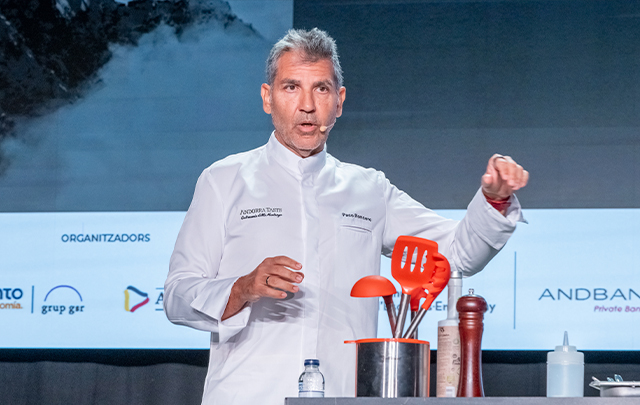
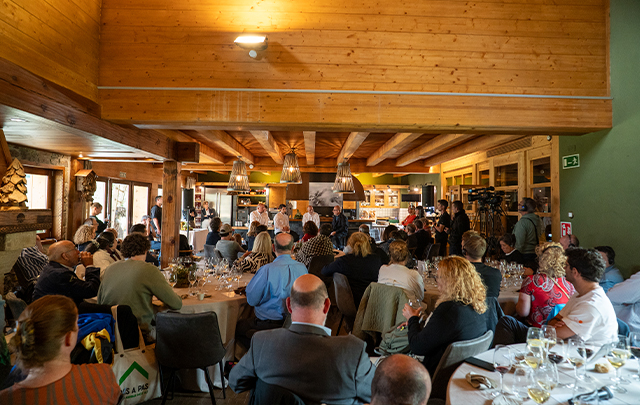
Paco Roncero’s presentation became a personal and technical journey through the history of Madrid’s tapas culture and its evolution into contemporary haute cuisine. The chef highlighted the emotional significance of tapas and the bars of his childhood, and explained how those experiences now inform the menu at his restaurant, where each dish is inspired by a specific memory of the city.
Roncero demonstrated how he uses photography and a visual archive of his dishes as a creative tool, connecting the images to the urban landscapes and Madrid culture that inspire his cooking every day. One of the central themes of the talk was the transformation of iconic tapas, such as the classic bread with boquerones and anchovies, which he breathes new life into using white miso and garum, without sacrificing the dish’s crunch or its maritime essence.
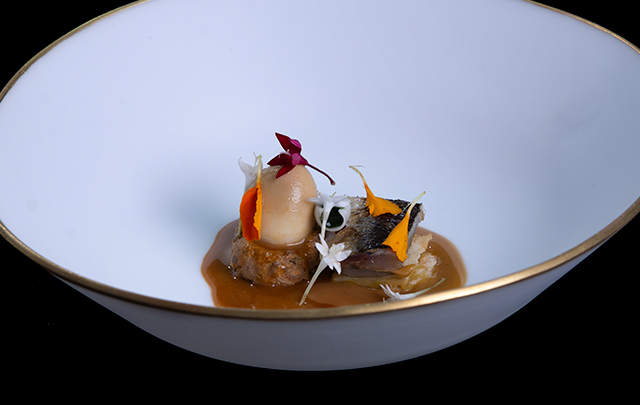
He argued that innovation only makes sense when it respects the dish’s original identity, and illustrated this idea with a calamari sandwich that combines impeccably fried calamari, calamari tartare, and traditional aioli. The chef also detailed an exercise in reinterpreting seafood recipes using red mullet, making use of the heads and bones to create intense sauces and mousses that amplify the flavor and minimize waste. This philosophy of using every part of the fish is complemented by modern techniques such as emulsification, maceration, and working with raw ingredients, which allow him to create dishes that are bold yet easy for diners to appreciate.
Roncero emphasized the sensory dimension of his cuisine, with examples such as a course inspired by garlic shrimp, designed to evoke the sound of sizzling oil, the aroma of garlic, and the spicy kick of the classic dish. The seafood salad was another standout, reinterpreted as a modern tapa in which concentrated broths, roe, and coral enhance the freshness and intense marine flavor of the dish. On the dessert front, the chef presented direct nods to Madrid’s identity, such as a violet ice cream that translates an iconic local candy into the language of restaurant desserts. Through these examples, he championed a form of haute cuisine that is approachable, understandable, and deeply rooted in the region—one in which technique serves emotion, rather than the other way around. The presentation highlighted the chef’s role as a storyteller, capable of transforming popular tapas into edible narratives without losing their humility or their roots in popular culture. Roncero emphasized that, to remain relevant, Madrid’s gastronomy must look both to the traditional neighborhood bar and to new culinary languages, building bridges between these two worlds.
He concluded his remarks with a call to respect the collective memory behind each tapa, reminding the audience that the true avant-garde lies in moving diners with flavors they already know, but presented in a new way.
Related news
News
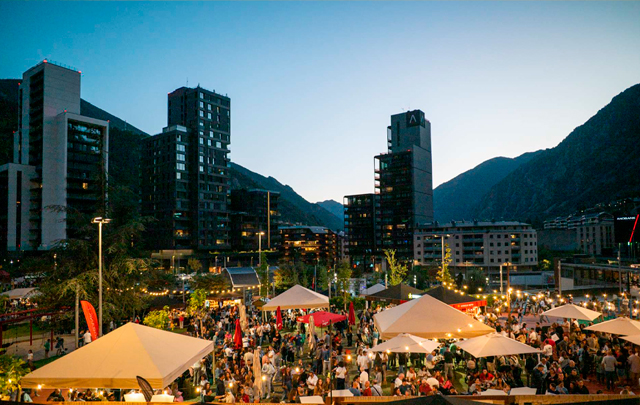
Andorra Taste breaks records with more than 70,000 drinks sold
News
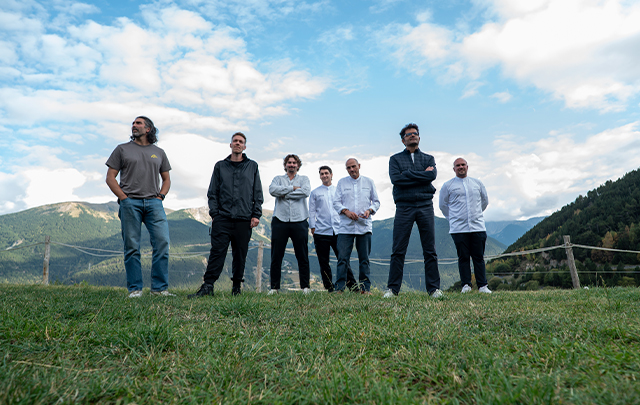
Andorra Taste demonstrates that high-mountain cuisine can turn its limitations into a form of excellence
News
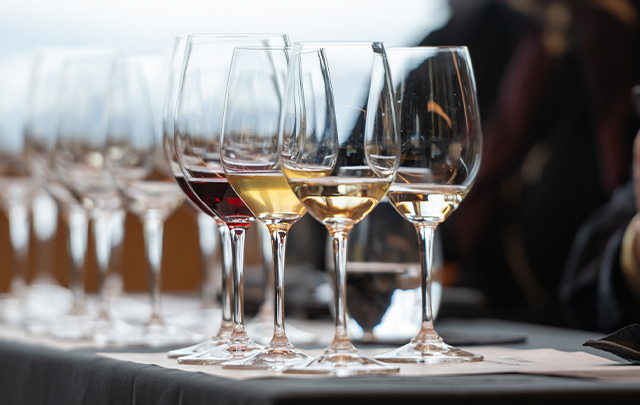
Exploring high-altitude wines: a presentation by Audrey Doré
News
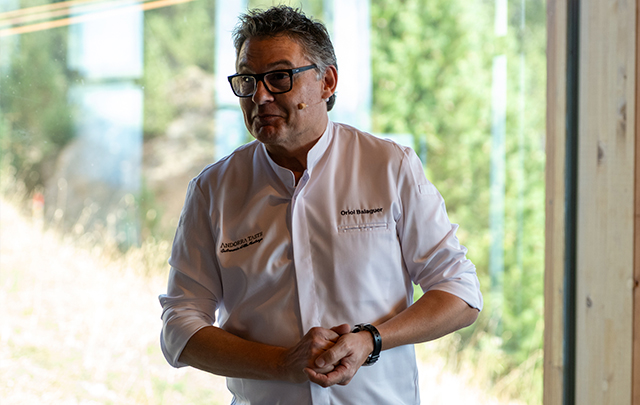
Innovation and trends in pastry: Oriol Balaguer's perspective
News
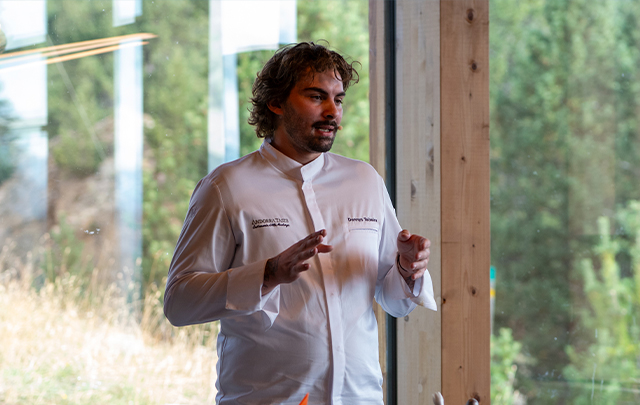
Gastronomy as narrative: innovation and collaboration in local cuisine
News
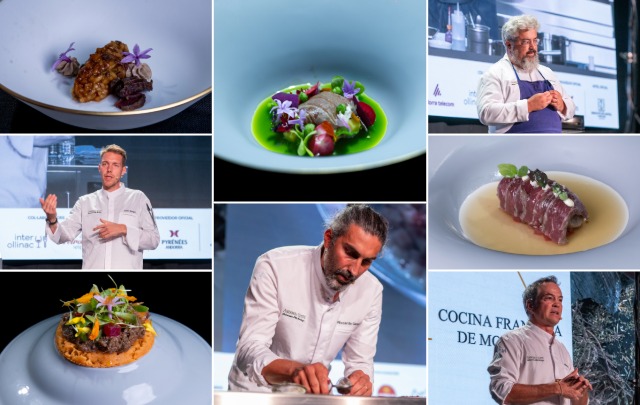
Mountain chefs need producers who are willing to challenge tradition
News
Traditional cuisine as a reflection of identity
News
Riccardo Gaspari's regenerative cuisine: a sustainable cycle from farm to table
News
Iván Cerdeño: hunting as a living memory of Toledo through the lens of haute cuisine
News