News
French cuisine and its evolution: a dialogue between tradition and modernity
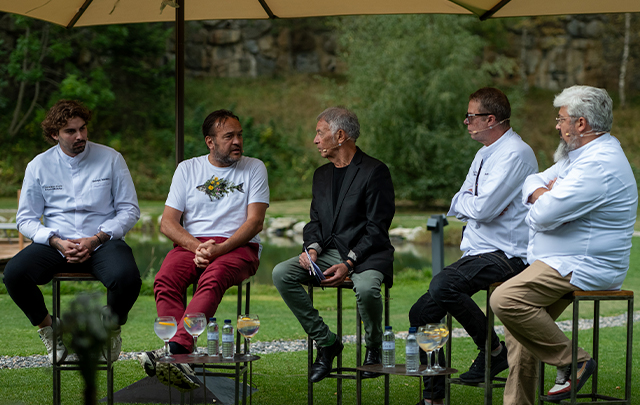
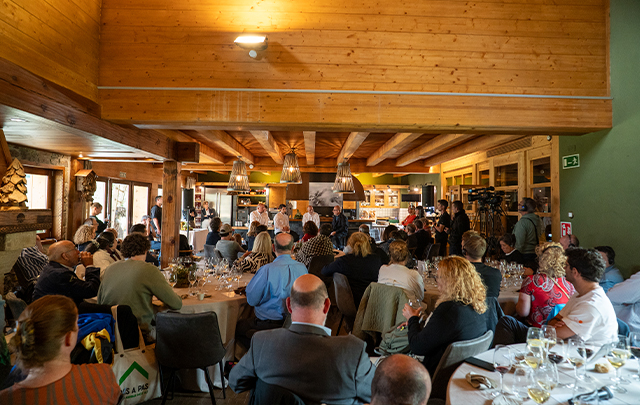
At the roundtable discussion on French cuisine, a group of prominent chefs gathered to discuss the importance of the mountains in gastronomy, highlighting the uniqueness of mountain products and the need to adapt to their seasonal availability. Emmanuel Renaut, Dennys Teixeira, Vivien Durand, Eric Marty, and Óscar Caballero participated in the discussion, sharing their perspectives on the evolution of mountain cuisine and its connection to tradition and modernity.
The chefs reflected on the relationship between agriculture and livestock farming in the mountains, emphasizing the quality of local products. The resilience of the mountains was highlighted, as it influences not only the availability of ingredients but also the presentation of the products and the relationship chefs build with their customers. This focus on authenticity and quality has led to a transformation in the perception of mountain cuisine, which has evolved from being considered rustic to more sophisticated, with a strong emphasis on the use of local and healthy ingredients.
During the conversation, the evolution of mountain cuisine was discussed, noting how it has successfully adapted to the demands of a clientele seeking more refined and delicate dishes. The chefs agreed that, although mountain dishes were once viewed as lacking refinement, today they have succeeded in transforming these ingredients into dishes that stand out for their sophistication. This change has been driven by a growing interest in authenticity and quality, which has led chefs to reinterpret traditional recipes and forge a stronger connection with their customers.
The roundtable also explored the interplay between tradition and modernity in gastronomy. Despite current trends, such as vegan cuisine, the participants agreed that people tend to return to tradition, which is rooted in good recipes and the richness of the dishes. The concept of tradition was considered complex and personal, varying according to culture and each chef’s individual experiences.
In addition, the discussion covered the culinary diversity and complementarity between Switzerland and Savoy, as well as the cultural influence on the cuisine and viticulture of Catalonia. The chefs highlighted the fusion in Catalan cuisine—which incorporates elements from diverse cultures—and the evolution of wine production in Andorra and Catalonia, where there has been growing interest in quality wines and lighter, more aromatic desserts.
The roundtable concluded with the idea that developments in gastronomy benefit both chefs and diners. The importance of forging a strong bond between the two and adapting to changes in the industry was emphasized, as this not only enriches the culinary experience but also promotes a more sustainable and mindful future in the kitchen.
Related news
News
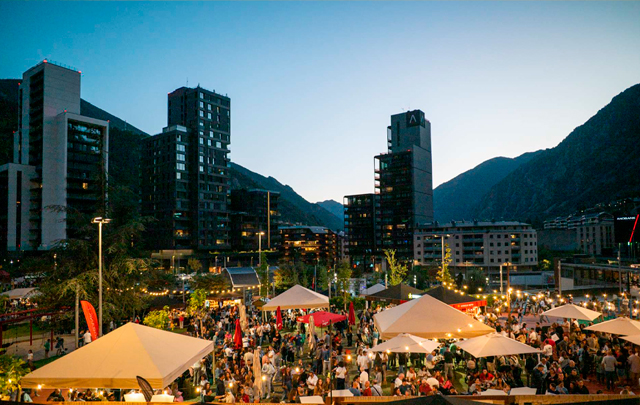
Andorra Taste breaks records with more than 70,000 drinks sold
News
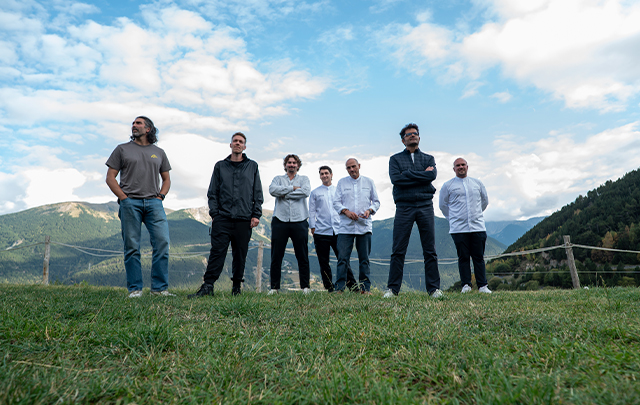
Andorra Taste demonstrates that high-mountain cuisine can turn its limitations into a form of excellence
News
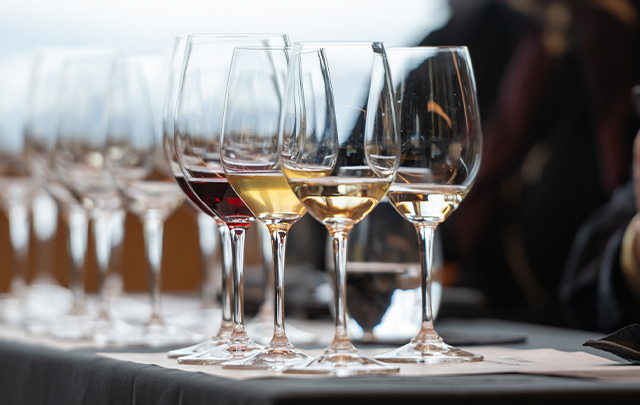
Exploring high-altitude wines: a presentation by Audrey Doré
News
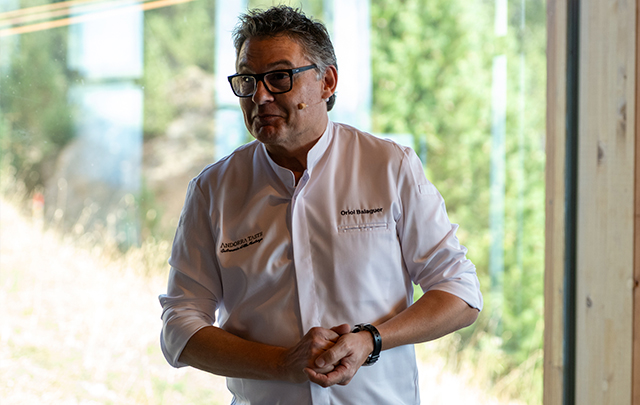
Innovation and trends in pastry: Oriol Balaguer's perspective
News
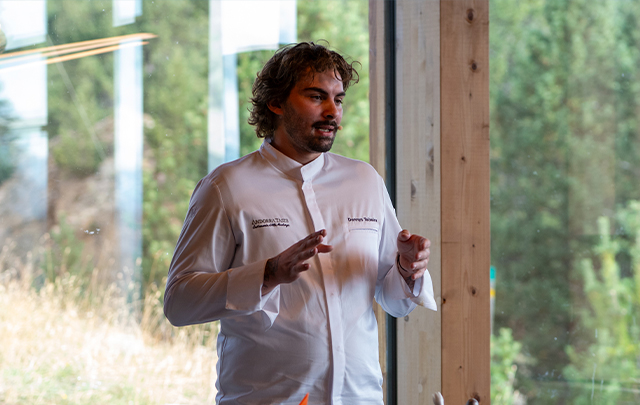
Gastronomy as narrative: innovation and collaboration in local cuisine
News
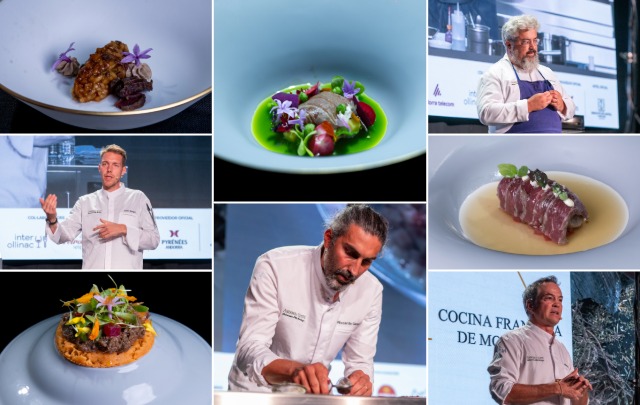
Mountain chefs need producers who are willing to challenge tradition
News
Traditional cuisine as a reflection of identity
News
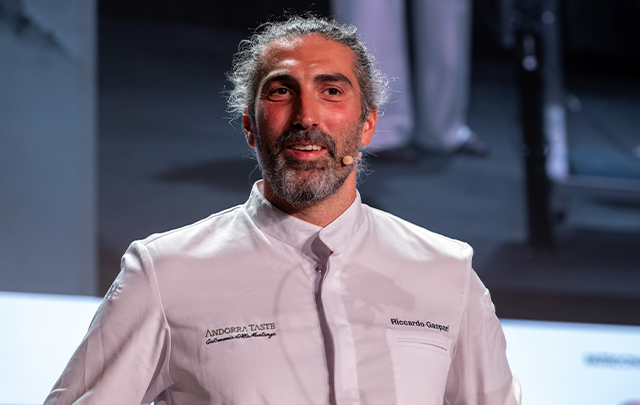
Riccardo Gaspari's regenerative cuisine: a sustainable cycle from farm to table
News
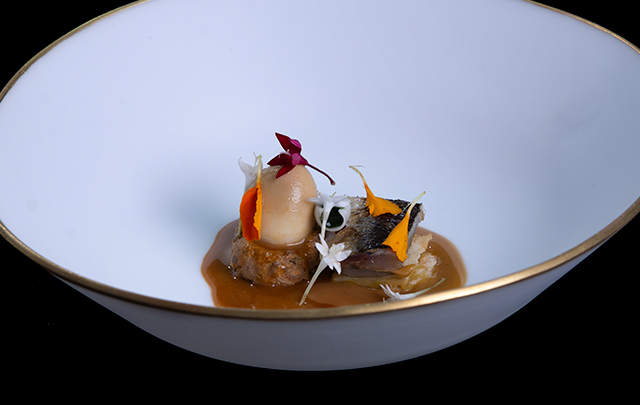
Iván Cerdeño: hunting as a living memory of Toledo through the lens of haute cuisine
News